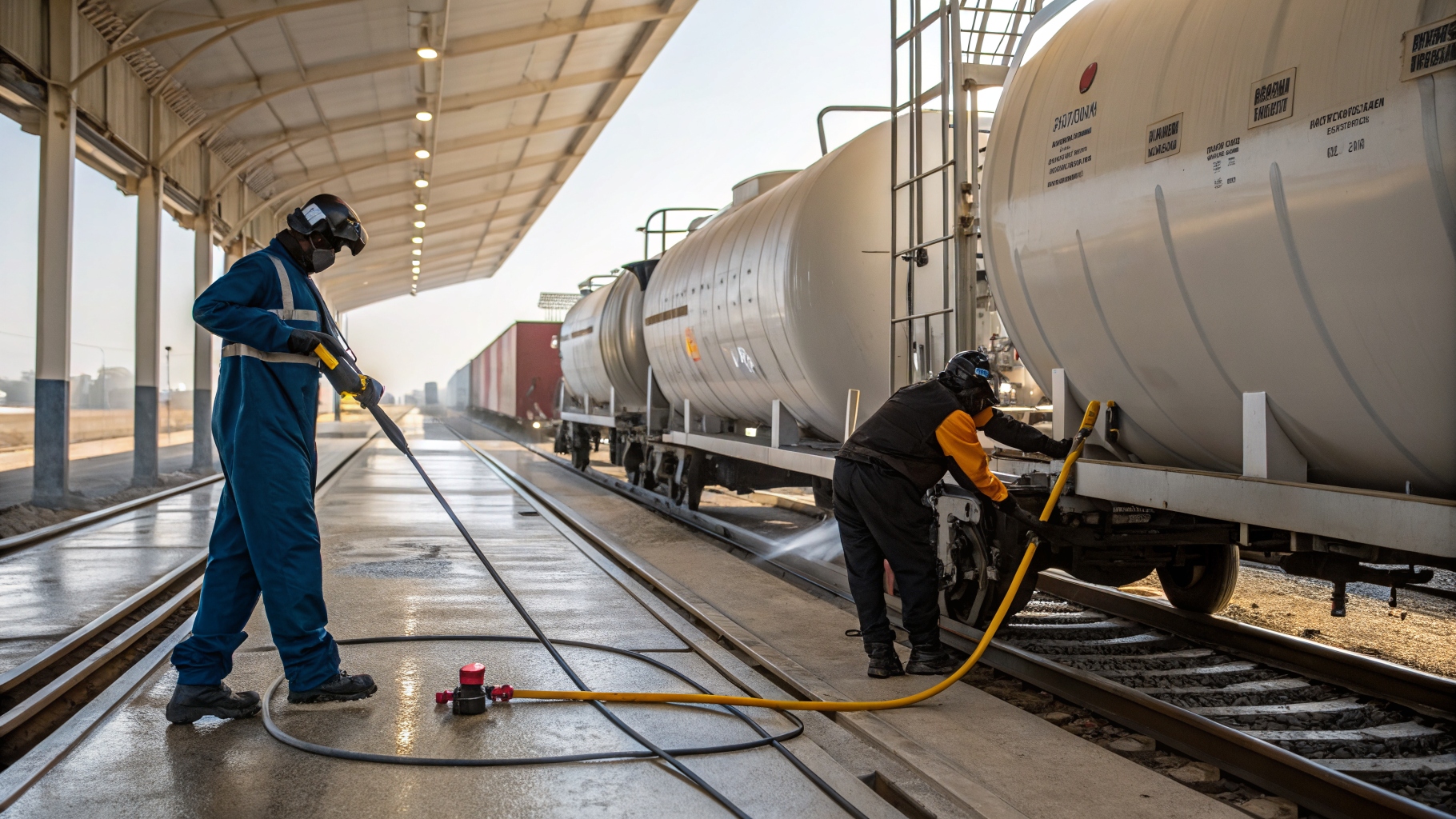

Fuel Quality Control: Features and Testing Methods
Fuel quality control is a key aspect of safe and efficient aircraft operation. It is especially important for jet fuels used in TS-1 and RT engines, where even slight deviations from standards can have serious consequences. Quality control ensures reliable engine performance, prevents accidents, and maintains operational characteristics throughout the fuel’s lifecycle.
Goals and Objectives of Quality Control
Fuel quality control serves several purposes, each critical for safe aircraft operation:
1. Ensuring safe equipment operation.
Aircraft engines operate under high loads and temperatures. Poor-quality fuel can cause explosions, deposits, nozzle coking, or unwanted ignition. Quality control ensures fuel safety under all conditions—from takeoff to landing, in hot and cold climates.
2. Maintaining engine performance. Fuel must be chemically stable, free of contaminants, water, and particulates. Contaminated water or particles can damage pumps, filters, and nozzles. Continuous control prevents loss of thrust, excessive fuel consumption, and reduced engine lifespan.
Ensuring Storage Life and Stability
Aviation fuel can be stored for months or even years. Without quality checks, it can oxidize, form deposits, and lose its properties. Oxidation and stability testing ensures fuel suitability even after long-term storage.
RT Fuel Safety
RT fuel is a high-quality aviation jet fuel designed to operate under high temperatures and mechanical loads. Used in modern aviation equipment, it features high reliability and strict safety requirements.
One of the main advantages of RT fuel is its high thermo-oxidative stability. The fuel retains its properties during prolonged heating and circulation in the delivery system, does not form resinous deposits, and does not clog nozzles, reducing failure risks and enhancing operational safety. Under normal storage and operating conditions, RT fuel has low flammability. At normal temperatures, it does not release fuel vapors, making transportation, storage, and refueling safe. Special attention is paid to purity and quality during RT production. The fuel undergoes multi-stage purification and strict laboratory control, including checks for water content, mechanical impurities, and corrosion-active components. This ensures stable and predictable fuel system operation. Thanks to low corrosive activity and special additives, RT fuel is safe for equipment components, extends the life of machinery, and reduces maintenance costs. Compliance with modern standards and years of operational experience confirm that RT fuel provides a high level of technological and operational safety at all stages—from production to use in aviation equipment.